Unlock the mental tools that transform anxiety into confidence—one breath at a time.
The moment that changed everything
Eyes squeezed shut, water rushing into my nose. I gripped the regulator in panic, breathing fast and shallow. There was only one thought in my mind: Get to the surface. Now.
My heart was pounding. My mind was racing. One more gulp of water, and I knew I’d lose control.
That’s how my first try-dive began in March 2022 on Lanzarote, a volcanic island in the Atlantic. I had never been comfortable in the water. I was terrified of opening my eyes underwater—hardly the ideal mindset for a future diver. And yet, there I was—desperately looking for an adventure that would make me feel alive again.
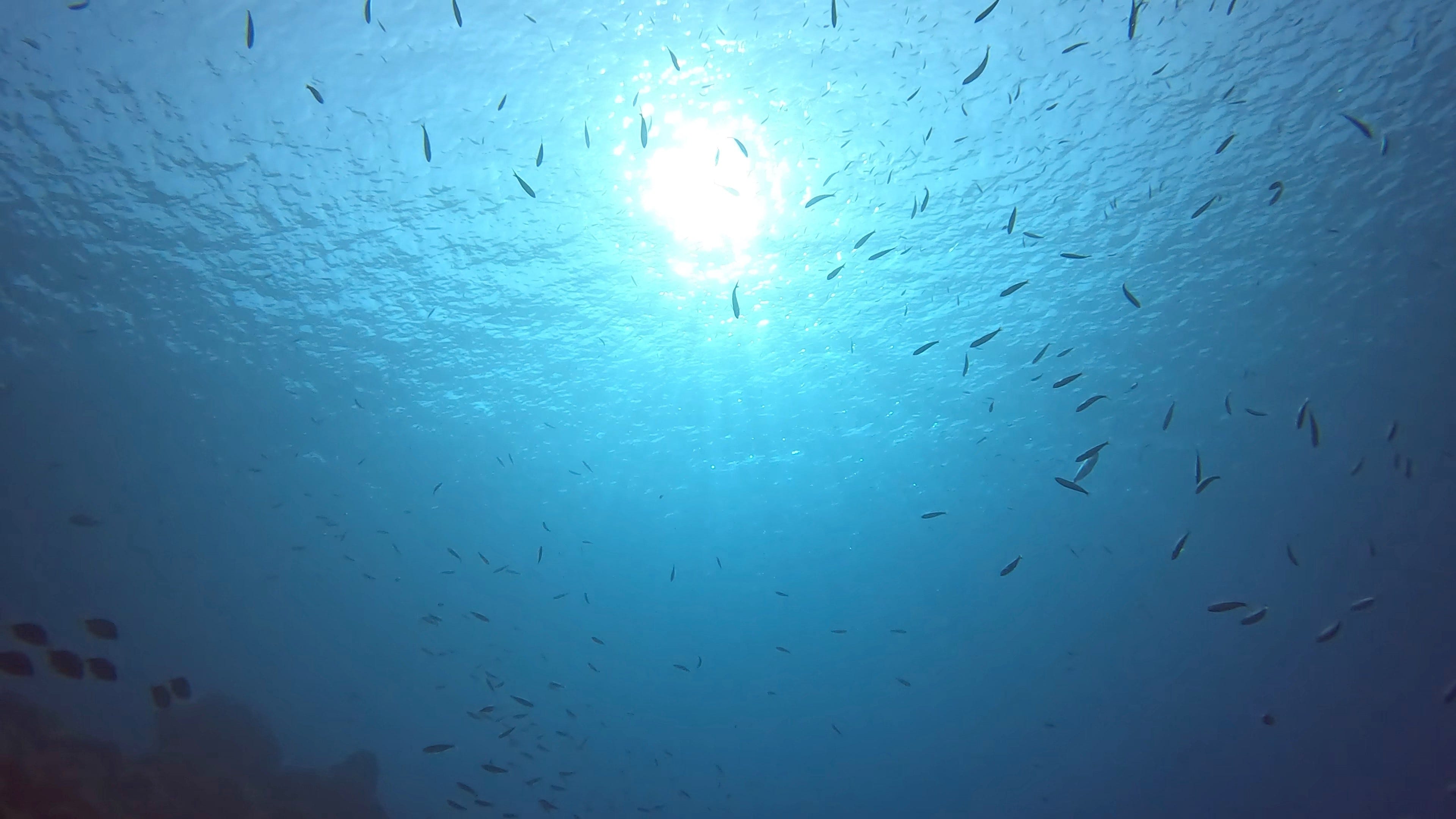
After surfacing, I took a deep breath. Tried again. Mask flood. Keep breathing. Blow the water out through my nose. It felt chaotic, terrible—but my instructor gave me the OK sign. I pushed through, swallowed some water, but I stayed down.
Back home, I couldn’t stop thinking about the experience. The underwater world fascinated me—but the fear of that mask removal drill stuck like a shadow. Still, I booked my next trip to Lanzarote—and this time, I signed up for the Open Water Diver course. I wanted to overcome this. And the pull I felt toward the ocean grew stronger every time I thought about it..
The decision to train my mind, not just my body
In the days leading up to the course, excitement and fear wrestled inside me. I needed a way to mentally prepare for that mask removal drill.
In my basement, I found an old sports psychology textbook from school. I read every chapter on mental preparation, diving deep into the principles of visualization, self-talk, and emotional control.
I analyzed my thoughts before and during dives. And then I created my personal mantra—one that would keep me calm and focused:
“I am calm and in control underwater.”
I also found a guided meditation for beginner divers online, which helped me mentally rehearse the mask removal drill. And I practiced under controlled conditions in a swimming pool—breaking the exercise down into simple, manageable steps to control my instinctive reaction.
The defining moment
And then… it happened.
I descended.
Again—that same drill.
I repeated my mantra.
Took a deep breath.
Closed my eyes.
Let water flood into the mask.
Held the top edge of the mask firmly with two fingers.
Exhaled through my nose and cleared the mask.
It worked. For the first time. And it was one of the most liberating moments of my life.
🧭 The most important lesson I learned:
Mental training in diving isn’t a “nice to have.” It’s often the difference between panic and presence. Between aborting the dive and finding flow.
And it does more than just calm your nerves—it builds confidence, focus, control, and yes, even joy.
So, who am I to talk about this?
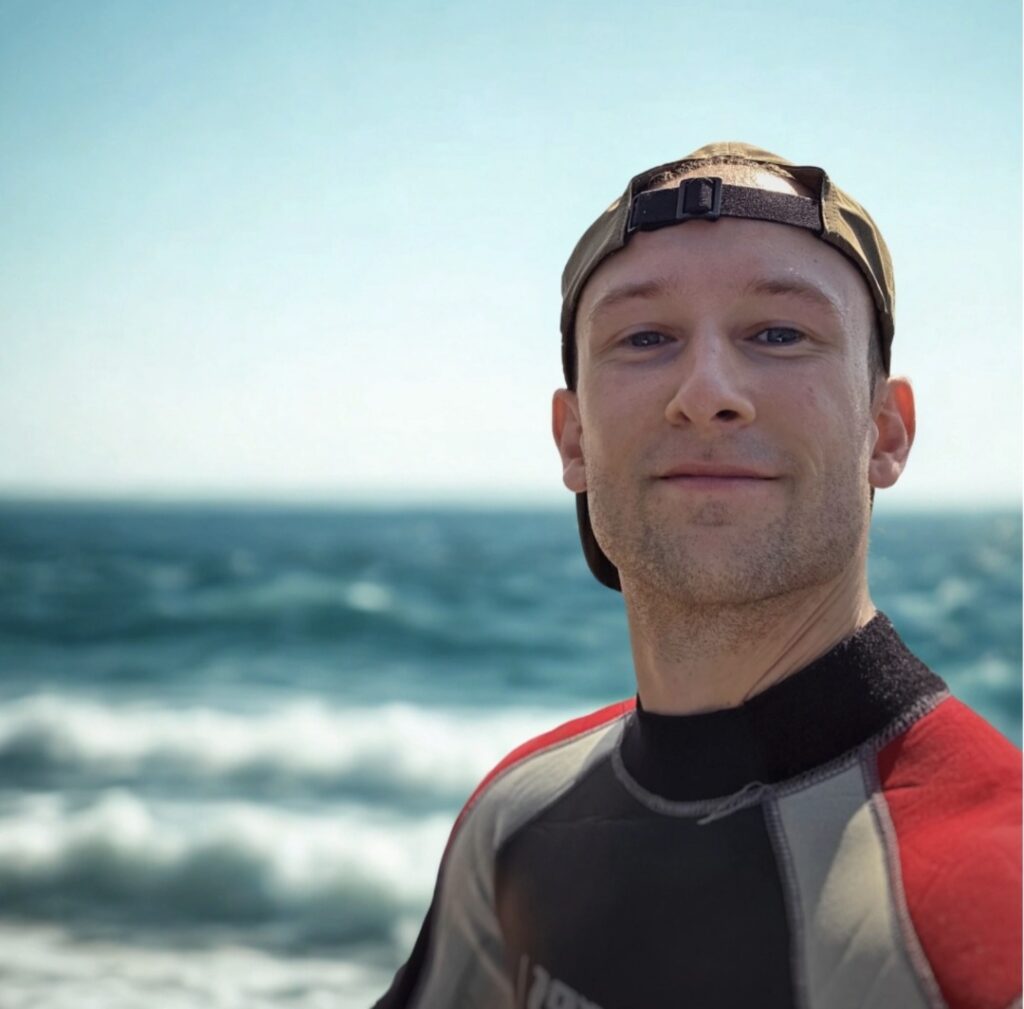
I’m Pascal—a passionate diver and someone who knows firsthand how paralyzing fear can feel underwater… and how empowering it is to overcome it.
My journey didn’t end with overcoming fear—I became deeply fascinated by the mental side of diving and committed myself to mastering it.
I got certified as an oxygen advantage breathing instructor and implemented highly effective breathing techniques into my pre-dive ritual.
Drawing from my experience in high-pressure environments like the military and law enforcement, I’m now dedicated to exploring and sharing the most effective mental strategies for divers.
At The Diving Mind, I don’t offer empty theories—I share practical, science-based tools tested under real conditions to help you stay calm, confident, and in control—both under water and in life.
And the journey continues—I’m currently preparing for the Instructor Development Course (IDC) to take this passion even further and help others master both their diving skills and mental strength.
The science behind It: why a simple mantra can make all the difference
What I did intuitively—repeating a mantra and focusing on my breath—is no secret in the world of sports psychology.
A key study by Hardy et al. (1998) shows that mental training, visualization, and especially targeted self-talk during stressful situations:
- Improves focus
- Regulates emotional responses
- Reduces anxiety
- Increases control in critical moments
🚫 But be careful:
Self-talk is not just “positive thinking.”
Statements like “I love opening my eyes underwater” would have felt like self-deception to me.
A powerful mantra is:
- Realistic and connected to your existing strengths
- Action-oriented and solution-focused (“Focus on each step. Switch to nose breathing and exhale.”)
- Ideally formulated in the first person or as a clear command
My mantra “I am calm and in control underwater” worked because it built on a strength I already had—I knew how to stay calm in stressful situations at the surface.
What does this mean for you?
Picture this: You’re standing at the edge of a pier. It’s your first night dive. The water glistens dark and silent. Your heart is racing. You ask yourself: Am I really ready to dive in?
That’s the moment everything is decided—not underwater, but in your mind.
🎓 Deep Dive: The study that changed everything
Curious about the hard science behind this? Let’s explore a groundbreaking study that shows just how powerful mental preparation can be.
In 1998, researchers Terry, Mayer, and Howe asked a simple question:
Can mental training help beginners reduce anxiety and improve their diving performance?
They worked with 44 beginner divers. All completed the standard PADI Open Water training. But half of them received something extra—a targeted mental training program developed by Mount and Gilliam in 1992.
This wasn’t just theory. The program included:
- A 60-minute guided audio session with breathing exercises, visualization of successful dives, and powerful self-talk techniques.
- A 5-minute video demonstrating the perfect bailout procedure at the actual dive site (a powerful modeling tool to boost self-efficacy).
- And before bed on the last three nights, participants repeated positive self-statements about their upcoming dives—“I successfully completed the bailout drill at dive site XY.”
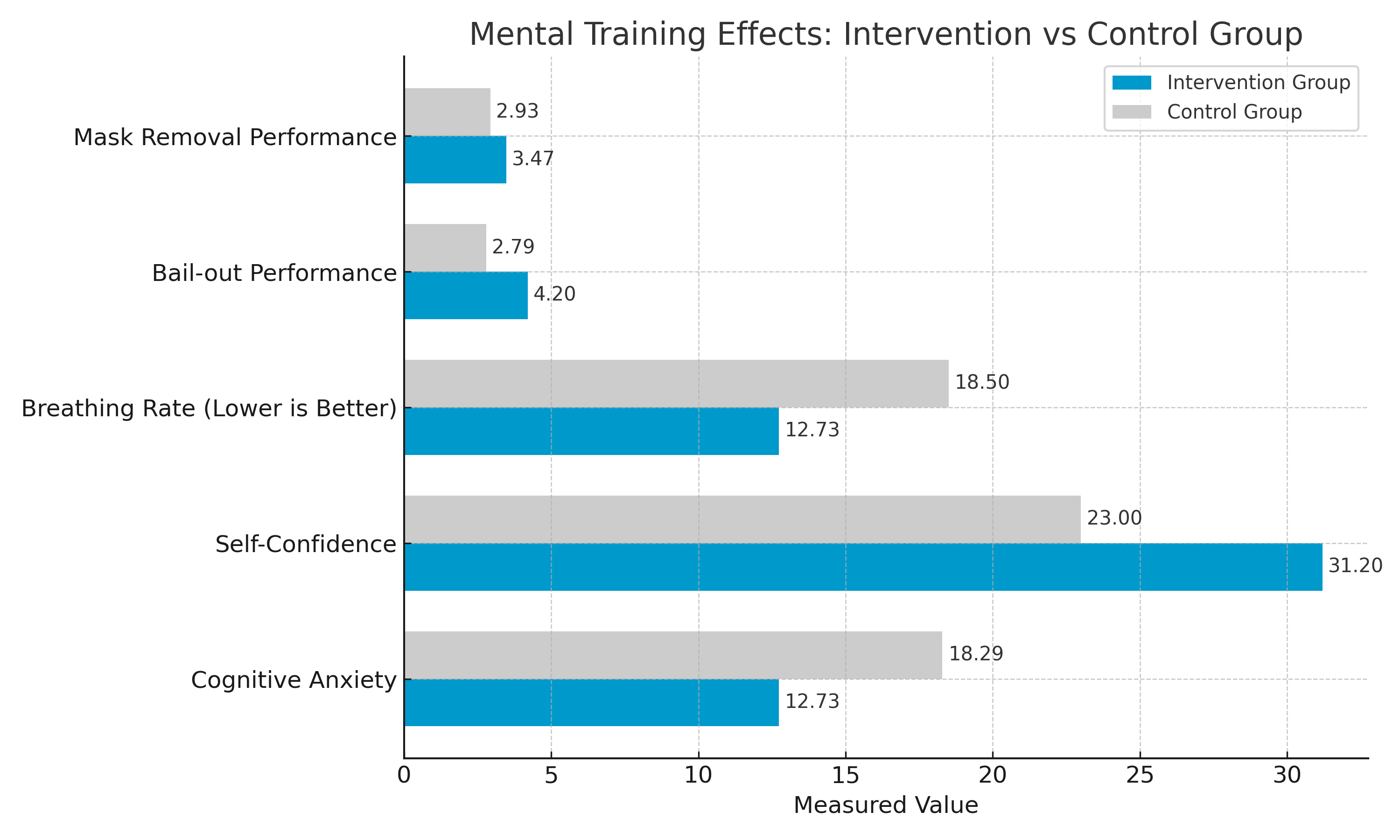
📊 The Results Were Stunning:
- ✅ 31% less cognitive anxiety before diving
- ✅ 35% higher self-confidence
- ✅ 31% lower breathing rate underwater (a key sign of calmness and control)
- ✅ 51% better performance in bailout drills
- ✅ 20% better performance during the mask removal exercise (even under stress)
💡 And one fascinating insight: Breathing rate was a strong predictor of performance. Those who could breathe calmly and evenly handled underwater challenges far more successfully.
🌊 Ready to dive deeper into mental mastery?
If this story resonated with you, imagine what’s possible when you unlock your full mental potential—before, during, and after every dive.
📢 In my next post, I’ll reveal the 5 Mindset Shifts that completely changed how I approach diving, fear, and freedom. You won’t want to miss this!
👉 Download your exclusive free guide:
📋 “The Perfect Mental Dive Briefing” – A Step-by-Step Checklist for Calm, Confidence, and Control before the dive.
📩 Delivered directly to your inbox. Only for subscribers.
💬 Now I’d love to hear from you:
Have you ever felt your mind holding you back—or saving you—during a dive?
Share your story in the comments below. I read every single one and reply personally.